

Sopa de ajo (literally “garlic soup” in Spanish) is a humble yet unforgettable dish. Picture a steaming bowl of rich broth spiked with roasted garlic, smoky paprika, and tender chunks of bread – it’s the kind of comfort soup that feels both cozy and classic. Whether you call it Sopa Castellana or simply “Spanish garlic soup,” fans often say “finding the best Sopa de Ajo near me feels like discovering a hidden treasure.” In this ultimate guide, we’ll explore everything from what makes this soup special to how to track down an authentic bowl in your city.
Sopa de ajo originates from Spain’s rural heartland, especially the Castilian region. It began as a peasant meal: simple, budget-friendly, and designed to warm shepherds on cold nights. Even today, it lives up to its cozy reputation. Food writer Mark Beahm notes that Spanish sopa de ajo is a “traditional Spanish garlic soup” that’s garlicky and smoky, thickened with toasted bread for a humble but filling meal. It’s often touted as a remedy for colds or even a hangover, since the garlicky warmth seems to revive dulled senses. Whether you’re seeking nostalgia or a satisfying supper, this soup has earned its place among the best Spanish comfort foods.
What Is Sopa de Ajo?
Sopa de ajo is a rustic soup from Spain, particularly the Castile region. It’s sometimes called sopa castellana (Castilian soup) or simply garlic bread soup. The core ingredients are very simple: garlic, good olive oil, paprika (often smoked), stale or toasted bread, and broth (usually chicken stock). Near the end of cooking, beaten eggs are often poured in to create silky egg ribbons throughout the soup. A sprinkle of fine herbs or bits of cured ham (like jamón serrano) might finish it off. The result is a deep, savory broth with fragrant garlic and paprika flavor, filled out by hearty torn bread – truly a garlic lover’s dream.
This soup is different from many others because it doesn’t get pureed or strained. Instead, the bread soaks up the liquid and breaks down, thickening the soup naturally. The bread becomes almost like noodles in the soup, giving it a satisfying texture. As one cookbook author explains, this unblended, “chunky” soup has become a centuries-old classic. In short, Sopa de Ajo is exactly the kind of dish people search for when they want warmth and tradition – which is why searches for “best Sopa de Ajo near me” are often looking for that authentic, down-home feeling.
An important note: good Sopa de Ajo is simple but carefully made. A top-notch version will have tender, mellowed garlic, a smoky-sweet paprika note, soft bread that’s absorbed flavor, and a gentle poached egg or two on top. You won’t find the soup overly greasy or overly salty if it’s done right. As Caroline from a popular Spanish food blog puts it, “This garlic soup may not have many ingredients, but Spanish sopa de ajo is packed with flavor and warmth”. That modest description really sums up its appeal – don’t be fooled by the humble name, it’s a dish with depth.
Why Sopa de Ajo is So Loved
Sopa de Ajo has a built-in fan base because it simply tastes comforting and hearty. Imagine biting into a piece of crusty bread soaked in garlicky, paprika-spiced broth – it’s soothing on a cold evening and surprisingly filling. It evokes the cozy feeling of home cooking: the kind of meal you’d happily find waiting for you after coming in from the chill. In Spain, families often served it during Semana Santa (Holy Week) or Lent as a meatless yet warm supper. Today, people crave it year-round. Mark Beahm notes that sopa de ajo is an easy, comforting meal “to warm up with on cold winter nights,” underscoring its reputation as warmth on a spoon.
Garlic soup also has a universal nostalgia factor. Nearly every culture has its version of a simple garlic-and-bread soup, a reminder of thrifty peasant fare. Food writer Isa Carretero points out that “when it comes to comfort food, few dishes evoke the same warmth and nostalgia as Spanish garlic soup”. The steady trend of “farm-to-table” and authentic recipes has put spotlight on sopa de ajo too – people recognize that a handful of good-quality ingredients can become an extraordinary dish. As one flavor philosopher says, “Simple food becomes extraordinary when every ingredient is treated with care,” and Sopa de Ajo certainly proves that.
Another reason for its popularity: garlic itself. Modern nutrition studies highlight garlic’s health perks (we’ll discuss that later). But beyond that, garlic gives the soup its soulful aroma. Paired with Spanish smoked paprika, which adds a deep earthy warmth, the soup feels rich without being heavy. Diners appreciate that it’s often made with fresh olive oil and artisan bread, not processed fillers. It hits the comfort-food sweet spot: warm and satisfying, but built from wholesome ingredients. No wonder patrons of cozy Spanish eateries return for “the best Sopa de Ajo near me” time and again when they crave something both tasty and heartwarming.
Key Ingredients of Sopa de Ajo
At its heart, sopa de ajo relies on a few star ingredients. Each one plays an essential role:
- Garlic: Lots of garlic is what gives Sopa de Ajo its name and essence. Thinly sliced or minced garlic is gently sautéed in olive oil until fragrant. This imparts a rich aroma and mellow garlic flavor throughout the soup. Garlic is also nutritious; it’s low-calorie and packed with immune-boosting compounds.
- Olive Oil: Good extra-virgin olive oil is the cooking fat of choice. It carries the garlic and paprika flavors and adds smoothness to the broth. A quality Spanish olive oil will make the soup taste deeper.
- Paprika (Pimentón): Spanish smoked paprika is another signature ingredient. A teaspoon or two turns the broth a warm reddish color and lends a smoky, slightly sweet dimension. This spice is what sets Sopa de Ajo apart from plain garlic soup – it’s the smoky “soul” of the soup.
- Bread: Traditionally, stale country bread is torn into pieces and either toasted or pan-fried. These chunks soak up the garlicky oil and stock, thickening the soup. As the soup simmers, the bread breaks down, making the texture heartily rustic. (Think of it like an adult version of bread-y dumplings.) The Mediterranean Dish emphasizes that it’s essentially a bread soup, and the toastiness of the bread is key.
- Eggs: Many recipes whisk eggs into the hot soup in the final moments. Stirring beaten egg into the simmering soup creates delicate egg ribbons or “stracciatella”-like strands. Others serve the soup topped with a poached or raw egg (which cooks in the soup’s heat) to enrich the broth. Either way, eggs give extra protein and silkiness to the soup.
- Broth: A good, low-sodium chicken or vegetable stock is the liquid base. Some cooks even splash in a bit of dry white wine or sherry for extra depth, per tradition. The broth ties all the flavors together, mellowing the garlic while carrying the paprika’s color.
- Cured Ham (Optional): In Castilian versions, small cubes or strips of jamón serrano or country ham are added. This adds a savory saltiness. However, strict vegetarian versions skip the ham and rely on the paprika and salt instead.
- Seasonings: A bay leaf, black pepper, and a bit of salt finish it off. Fresh parsley or a drizzle of olive oil can be added right before serving for color and brightness.
These simple staples create layers of flavor. As Mark Beahm summarized, “Smoked paprika, toasted bread, and ribbons of egg make [it] a comforting and filling meal”. Each ingredient is modest on its own, but together they build the soup’s warmth and depth. When hunting for the best Sopa de Ajo near me, remember: the highest-quality versions treat these humble parts with care, resulting in extraordinary taste.
After the ingredients join together, you end up with a soup that’s rustic and aromatic. The bread melts into the broth (but not completely disintegrating), the garlic is tender, and the paprika gives a gentle smokiness. The eggs add richness, and a final drizzle of olive oil on top can add a glossy finish. It’s a masterpiece of “less is more” – just the kind of dish that’s been comforting people for generations.
How to Recognize Authentic Sopa de Ajo
Not every restaurant gets it right. An inauthentic sopa de ajo can taste overly salty, thin, or lacking in depth. To make sure you’ve found the real deal when searching for the best Sopa de Ajo near me, look (and taste) for these signs:
- Rich Garlic Aroma: Your spoon should carry a warm garlic scent, but not a sharp raw bite. The garlic should have been cooked slowly so it smells sweet and pungent without bitterness.
- Deep Paprika Color: The broth often has a reddish-golden hue from smoked paprika. This smoky flavor should come through clearly.
- Thick, Not Watery: A good Sopa de Ajo will be slightly thickened by the bread, not a thin broth. Look for pieces of crusty bread that have soaked in the liquid and expanded. The soup should be hearty and “soupy-stewy,” not like drinking garlic water.
- Well-Soaked Bread: There should be plenty of chunky bread in the soup, soft but still palpable. The bread provides substance. It should be tender and flavorful, not hard or flavorless.
- Quality Olive Oil: Often a bit of olive oil pools on the surface. It should taste fruity and clean, not heavy or greasy. This finishing oil is a hallmark of traditional preparation.
- Visible Egg: If served correctly, you’ll see threads of egg mixed in or a poached egg gently floating. The egg should be softly set, adding silkiness.
- Balanced Seasoning: The soup shouldn’t slap you with salt. It should taste savory and full, with garlic and paprika balancing each other. Over-salty or overwhelmed by one spice is a red flag.
- Rustic Presentation: Authentic soup tends to be served in simple bowls. The focus is on flavor, not frills. Chunky bread bits, flecks of paprika, and maybe a sprinkle of parsley or a slice of ham on top – that’s authentic.
- Comforting Warmth: Finally, trust your gut (or taste buds). A great Sopa de Ajo should feel deeply comforting, warm in a gentle way. If it warms you from the inside out, that’s a very good sign.
In short, look for a bowl that feels “homey” and layers of flavor. Chef José Andrés notes that this soup was originally “devised by Castilian shepherds seeking warmth on cold winter nights” – so the best ones really hit that mark. A genuine Spanish garlic soup will revive your senses without any gimmicks.
Regional Variations of Sopa de Ajo
While the Castilian base recipe is most famous, various Spanish regions put their own twist on garlic soup. Knowing a bit about these differences can help you recognize a good version or even choose the one you like best.
- Castilian (Castilla y León/Castilla-La Mancha): The classic template. This usually means garlic, olive oil, smoked paprika, bread, and eggs, sometimes with jamón serrano. It’s often called sopa castellana. The recipe is austere and smoky. Mark Beahm calls this the traditional version.
- La Rioja: In the Rioja region, cooks sometimes brighten the soup with vegetables. For example, adding chopped tomato and green bell pepper to the sauté step is common. This yields a sweeter, tangier broth. So if you taste tomatoey notes in your sopa de ajo, you might have stumbled into a Rioja-style version.
- Andalusia: In southern Spain, there’s a similar bread-and-garlic soup called migas soup or Ajo Colorao, though it’s not always called “sopa de ajo.” These can be quite hearty and sometimes include potatoes or eggs. Some Andalusian recipes might use paprika fresca (sweet paprika) rather than smoked for a milder flavor.
- Portugal: Just across the border, Caldo Verde is a garlic-and-potato soup with kale, quite different. But you may find Portuguese eateries offering a garlic soup variation too. (It might still be called Sopa de Alho there.)
- Modern Twists: Chefs today experiment with additions like beans, ham hock, or even saffron. But a purist’s “best sopa de ajo” stick to the original few ingredients.
The key is, any variation should respect the soul of the soup. For instance, if you get a bowl with plenty of paprika color and garlic richness, but with diced tomato and maybe some chili, that’s just a regional take. In other words, don’t be put off by slight differences. As Caroline’s recipe notes, most regional versions start with the Castilian base and just add a twist. Knowing these regional quirks can actually help you appreciate different versions around town.
Ultimately, any local spot will have its own “house style,” which can be fun to compare. When you’re asking for the best Sopa de Ajo near me, be open to small surprises – they often make the search more interesting. Just remember: a bit of tomato or pepper is fine, but the soup should still be predominantly a garlic-bread broth in spirit. Anything overtly fusion or completely different likely isn’t true sopa de ajo.
Where to Find the Best Sopa de Ajo Nearby
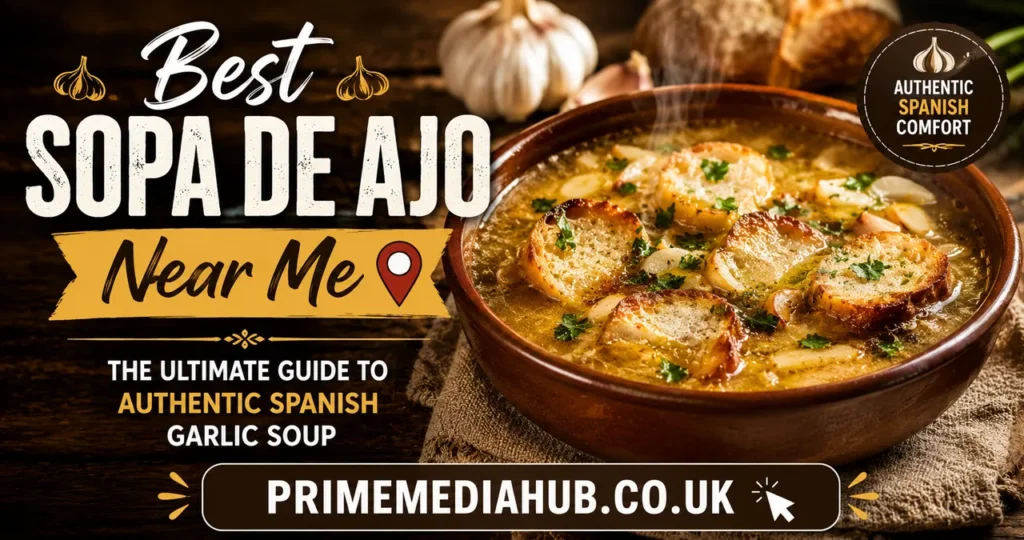
With the basics covered, the burning question is: How do I find Sopa de Ajo near me? Start your search at restaurants that specialize in Spanish or Mediterranean cuisine. Tapas bars and Spanish bistros are obvious first stops. Many places that do paella and tapas keep sopa de ajo on the menu, at least seasonally. Here’s where to look:
- Authentic Spanish or Castilian Restaurants: The most straightforward choice is a restaurant owned by Spanish chefs or catering to Spanish tastes. These are more likely to have it on their menu as a daily or special item. Check for places advertising Spanish regional dishes. If the chef is actually from Spain, that’s a bonus.
- Traditional Tapas Bars: Even if not exclusively Spanish, tapas bars often feature classic Spanish soups. Ask the server if they make any Spanish-style garlic soup. It may only appear in cooler months or on special soup days.
- Local Cafés and Brasseries with Mediterranean Menus: Some neighborhood cafes and bistros that offer a range of Mediterranean soups might surprise you with Sopa de Ajo, especially in winter. It might be listed under “garlic soup” or “Spanish soup.”
- Food Markets and Deli Counters: Gourmet markets or European delis sometimes have prepared foods. If they have a soup bar, see if they ever run sopa de ajo. You might need to time a visit to see if it’s on rotation (especially around Lent or winter).
- Specialty Food Events or Pop-Ups: Occasionally, cultural festivals or food trucks spotlight traditional dishes. A Spanish food festival could feature homemade sopa de ajo in a cooking demo or stall.
When searching online, use keywords like “Sopa Castellana” or “Spanish garlic soup” in addition to “sopa de ajo.” Sometimes menus use different names. Also try broadening to “Spanish restaurant near me” – then skim the menus. Since many diners rave about sopa de ajo as comfort food, it’s often mentioned in reviews or photos if the dish stands out. Checking community groups or foodie blogs for “best Spanish soup in [your city]” might also yield hints.
Once you’ve found a likely spot, a little local detective work pays off. For example, look at reviews: do diners mention the soup? Are the photos appetizing (bread soaking up broth, visible garlic, a rich color)? If possible, visit during a dinner rush. A busy, well-loved restaurant likely means fresher stock and passionate cooking, which matters for soup.
Don’t forget the simplest approach: ask around. If you know anyone from Spain or a loyal fan of Spanish food, get their tips on where to find an authentic taste. Bar staff or dishwashers with Spanish heritage at restaurants might even hint at hidden local favorites.
In short, focus on spots that celebrate Spanish flavors. Those are your best bet for discovering the best sopa de ajo near me. With a little sleuthing – and a bit of patience – you’ll eventually find the soup that checks all the boxes of authenticity and comfort.
Tips for the Best Sopa de Ajo Experience
Once you’ve zeroed in on potential restaurants or recipes, here are some tips to ensure you really get the best Sopa de Ajo near me experience:
- Check Reviews and Photos: Read customer reviews specifically for mentions of sopa de ajo. Reviews often point out if it was piping hot, flavorful, or disappointing. User photos are gold – they let you see if the soup looks rich and well-made or pale and watery.
- Visit During Peak Hours: Go when the restaurant is busy. Soups taste best when made fresh and served promptly. A crowded evening likely means good turnover, so you get fresh bread and stock rather than something sitting in a pot for hours.
- Ask the Server or Chef: When you arrive, politely ask how the soup is prepared. A passionate chef will happily share that it’s homemade from scratch. If the waiter hesitates, you may be dealing with a mass-produced mix.
- Look for Fresh Ingredients: A telltale sign of quality soup is seeing real ingredients. If you spot whole garlic cloves, pieces of bread, or a vibrant paprika hue floating on top, that’s authentic. Avoid bowls of thin, pale broth – that’s a red flag.
- Try a Tasting Approach: If you find more than one promising spot, consider ordering a small serving at each (if the menu allows). Compare them head-to-head – you’ll quickly learn which one hits the mark on garlic intensity and flavor balance.
- Pay Attention to Presentation: The best sopa de ajo might come in simple bowls, but it should look hearty – a bit of olive oil sheen, some paprika flecks, maybe a sprinkling of parsley or ham. If it’s served with extra bread on the side, that’s usually a good sign.
Above all, trust your taste. If the soup warms you and makes you sigh in satisfaction, you’ve probably found a winner. And remember, even the quest is part of the fun – every bowl teaches you what good Spanish garlic soup should taste like. In the end, the phrase “best Sopa de Ajo near me” isn’t just a search term; it’s your personal standard. Use these tips to identify the perfect bowl wherever you roam.
Nutrition and Health Benefits of Sopa de Ajo
Beyond its comforting flavor, Sopa de Ajo brings some unexpected nutritional perks – largely thanks to garlic. Garlic is famously low in calories but rich in nutrients. In fact, garlic is often cited as “highly nutritious” for how low in calories it is. It contains vitamins C and B6, manganese, and numerous antioxidants that support the immune system. Health experts note garlic’s reputation: it’s been used for centuries as natural medicine. Even Hippocrates said, “Let food be thy medicine”, a phrase fitting for a soup like this. Modern research shows garlic can help ward off colds and support heart health. So when you slurp a bowl of garlic soup, you’re getting those benefits in a tasty package.
At the same time, remember that traditional Sopa de Ajo can be rich. One popular recipe clocks in around 447 calories per serving, with 34 grams of carbs and 17 grams of protein. That’s partly due to the bread and olive oil. On the plus side, olive oil contributes healthy fats (about 14 grams per tablespoon), and the bread provides filling carbohydrates. The egg adds protein. (Just be mindful that restaurant versions can also be high in sodium. The sample nutrition label shows about 2,073 mg of sodium per serving, which is quite high, so you might sip it alongside water.)
| Nutrient | Approximate amount (per serving) |
|---|---|
| Calories | 447 kcal |
| Carbohydrates | 34 g |
| Protein | 17 g |
| Total Fat | 27 g |
| Saturated Fat | 5 g |
| Sodium | 2073 mg |
In moderation, Sopa de Ajo fits well into a balanced diet – especially if made with whole ingredients. The key is portion control (enjoy a bowl as a starter or light meal) and complementary dishes. Pair it with a salad or grilled vegetables to round out your plate. And remember, most people don’t eat this every day. It’s a dish to savor when you crave something nourishing and warming.
So yes, you can feel a little virtuous about it. The very compounds that make garlic so pungent may help fight the common cold, and the meal is much more flavorful than boring chicken soup. But it’s still a comfort dish – enjoy it slowly, savor the flavor, and balance it with lighter foods on the side if you’re watching calories or sodium.
What to Pair with Sopa de Ajo
A great soup becomes even better with the right companions. Sopa de Ajo is already filling, but these pairings can round out the meal:
- Crusty Bread: It may seem redundant since there’s already bread in the soup, but extra bread (or breadsticks) on the side lets you soak up every last drop. A slice of warm rustic bread or a basket of dinner rolls is always welcome.
- Jamón Serrano or Chorizo: If your soup didn’t include them, serve thin slices of Spanish ham or pieces of chorizo on the side. They provide a salty, savory contrast. Even a small tapas plate of charcuterie complements the garlicky broth.
- Simple Green Salad: A light salad with vinaigrette (think a spinach salad with tomatoes and a sherry vinaigrette) refreshes the palate between spoonfuls of hot soup. The acidity cuts through the soup’s richness.
- Grilled Vegetables: Grilled peppers, zucchini, or eggplant (tied to Spanish cooking) offer a smoky sweetness that plays well off the soup’s flavors.
- Spanish Wine: If you drink wine, a glass of dry sherry (like Fino) is traditional with sopa de ajo. Otherwise, a young red like a Rioja or Tempranillo, or even a crisp white, pairs nicely. The savory notes of the soup match well with a medium-bodied red.
- Olives and Nuts: A small bowl of olives or roasted almonds on the table is an authentic Spanish touch and a nice finger-food to nibble on as you wait for the soup.
These pairings keep the meal balanced. One of the joys of Sopa de Ajo is that it works with simple sides. It isn’t meant to be fussy; think of it as part of a relaxed, hearty spread. The main goal is to enjoy the warmth of the soup – but adding any of the above can make your Spanish feast feel more complete.
Conclusion
Finding the best Sopa de Ajo near me is about seeking out authenticity and soul in a bowl of soup. Sopa de ajo is more than just garlic soup; it’s a piece of Spanish culinary heritage brought to life wherever good, honest cooking is valued. It warms you with simple pleasures: the scent of garlic and paprika, the comfort of crusty bread, and the fulfillment of a home-style recipe done right.
Whether you’re in a cozy tapas bar or cooking at home, the secret to great sopa de ajo is quality ingredients treated with respect. As one proverb goes, “Let food be thy medicine” – and sopa de ajo, with its healthful garlic and wholesome goodness, might just live up to that.
So the next time you feel that craving for rich, Spanish comfort food, remember what to look for: real garlic aroma, smoky paprika flavor, a silky egg, and bread that soaks up all the delicious broth. Use this guide to hunt down that perfect bowl. The best Sopa de Ajo near me is waiting out there – a warm, welcoming taste of Spain ready to be savored.
FAQs
What is Sopa de Ajo and where does it come from?
Sopa de Ajo is a traditional Spanish garlic soup, often called sopa castellana. It originated in Castile, a region in central Spain, where shepherds and farm families made it as a simple, hearty meal. The soup is characterized by its basic ingredients – garlic, olive oil, paprika, bread, and eggs – cooked into a savory broth. It’s meant to be a rustic, comforting soup, reflecting its peasant origins. Today, it’s popular throughout Spain and beyond as a classic example of Spanish comfort food.
What are the main ingredients in Sopa de Ajo?
The main ingredients are garlic, bread, paprika, olive oil, and broth, often with eggs. Specifically, lots of sliced or minced garlic is slowly sautéed in olive oil, then Spanish smoked paprika is added for color and flavor. Stale or toasted bread is incorporated into the pot, which soaks up the broth and thickens the soup. Chicken or vegetable stock forms the liquid base. Beaten eggs are usually stirred in at the end to create silky ribbons, or sometimes whole eggs are poached on top. Salt, pepper, and sometimes bay leaf are the seasonings. Optionally, pieces of cured ham (jamón serrano) or chorizo are added for extra flavor. Each ingredient plays a role: garlic and paprika give the distinctive taste, bread makes it hearty, eggs add richness, and olive oil ties it together.
How do I find the best Sopa de Ajo near me?
To find the best Sopa de Ajo near you, focus on authentic Spanish eateries. Look for Spanish or Mediterranean restaurants, especially those that specialize in traditional dishes. Tapas bars and family-owned Spanish cafés are great places to check – they often serve homemade-style soups. Online, search for “Spanish garlic soup” or “sopa castellana near me” and read reviews. Check menu photos to see if the soup looks rich and home-made. Visiting during busy hours and asking staff questions can help, too. You can also search local food blogs or social media for recommendations. Keep an eye out for places where reviewers rave about the soup’s garlic aroma and cozy flavors – those are clues you’ve found a winner.
Are there health benefits to eating Sopa de Ajo?
Yes, sopa de ajo has some healthful qualities. The star ingredient, garlic, is famously nutritious: low in calories but rich in vitamins (like C and B6) and antioxidants. Studies show garlic can support the immune system and even help prevent colds. The Mediterranean diet connection also means it uses good olive oil, which has healthy fats. On the flip side, Sopa de Ajo can be fairly high in sodium and calories (around 447 cal per serving in one recipe), especially from the bread, oil, and any added ham. So enjoy it in moderation as a comforting treat. Balance it with lighter side dishes like salad or veggies. Overall, it’s a nourishing soup, but like any restaurant dish, watch portion sizes and extras. The warmth and satisfaction you get from it do count for something too – after all, comforting foods can be good for the soul!
When is the best time to enjoy Sopa de Ajo?
Sopa de Ajo is most often enjoyed in the cooler months or whenever you crave something warming. It’s a popular choice in fall and winter, or during spring holidays like Lent and Semana Santa in Spain. However, there’s no strict rule – it’s a versatile comfort food. Many people love it on a chilly night or when they’re feeling under the weather, since garlic’s immune-boosting reputation fits colds. You might also see it on late-night menus as a hearty supper. In short, anytime you want a cozy, hearty soup – especially if it’s a bit cold or you need comfort – is a great time for Sopa de Ajo. The soup doesn’t really belong to one season only; its charm is that it can lift spirits and warm you up whenever needed.